Baking & Desserts Classic Vanilla Butter Cake
Highlighted under: Oven Treats
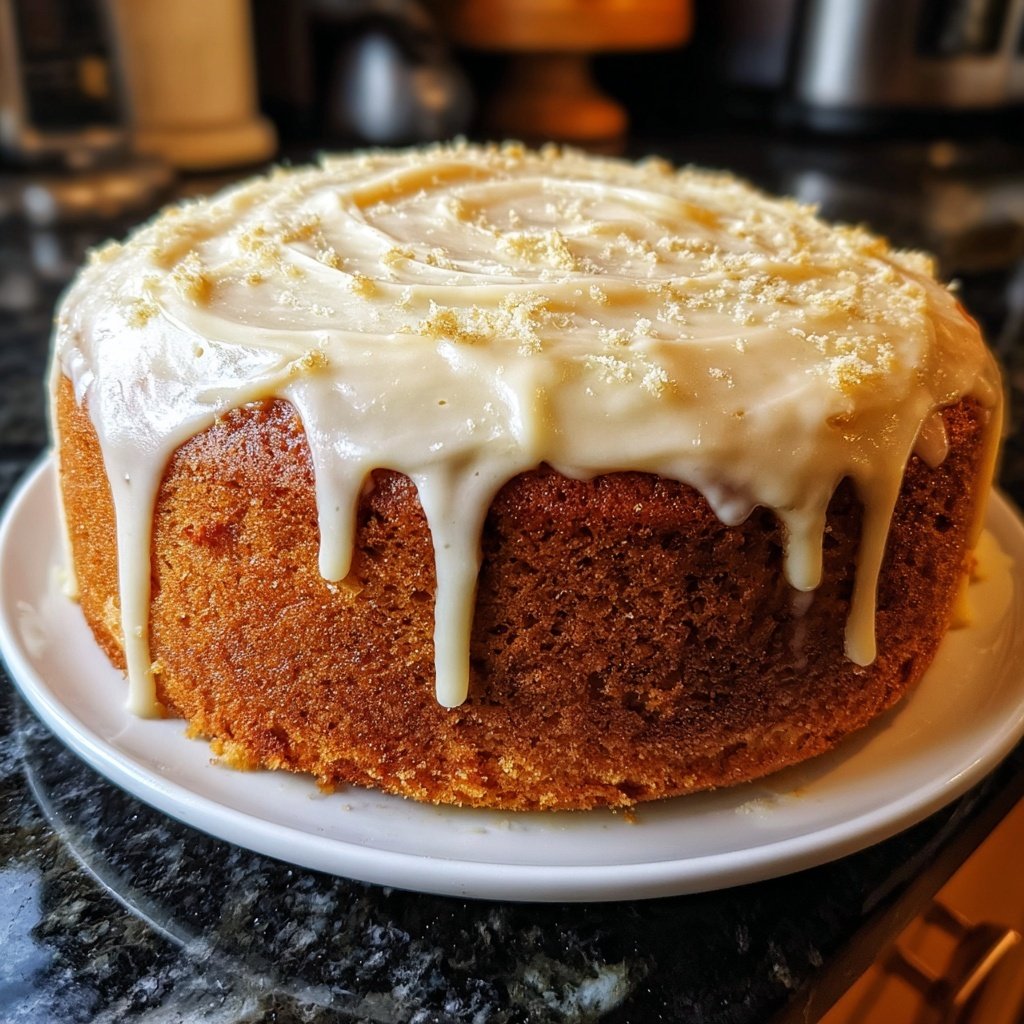
I love making this classic vanilla butter cake because it brings back memories of family gatherings and celebrations. The aroma that fills the kitchen while it's baking always excites everyone. This cake is not just a treat for the taste buds; it’s also delightfully simple to prepare. Using quality ingredients and a straightforward method, I enjoy crafting a cake that is moist and fluffy, perfect for any occasion, whether it’s served plain or dressed up with frosting and decorations.
When I first baked this vanilla butter cake, I was amazed at how such simple ingredients could yield a cake so rich and flavorful. I experimented with different methods and discovered that beating the butter and sugar until fluffy really creates a light texture. This cake became a family favorite, and I often serve it at birthdays and special events.
One specific tip that I've found is to use high-quality vanilla extract; it truly elevates the flavor of the cake. Additionally, let the cake cool completely before frosting to ensure a perfect finish. It's a recipe I’m proud to share, and it never fails to impress!
Why You Will Love This Recipe
- Classic vanilla flavor that never goes out of style
- Perfectly moist and fluffy texture in every bite
- Versatile base for various frostings and toppings
Understanding Ingredients
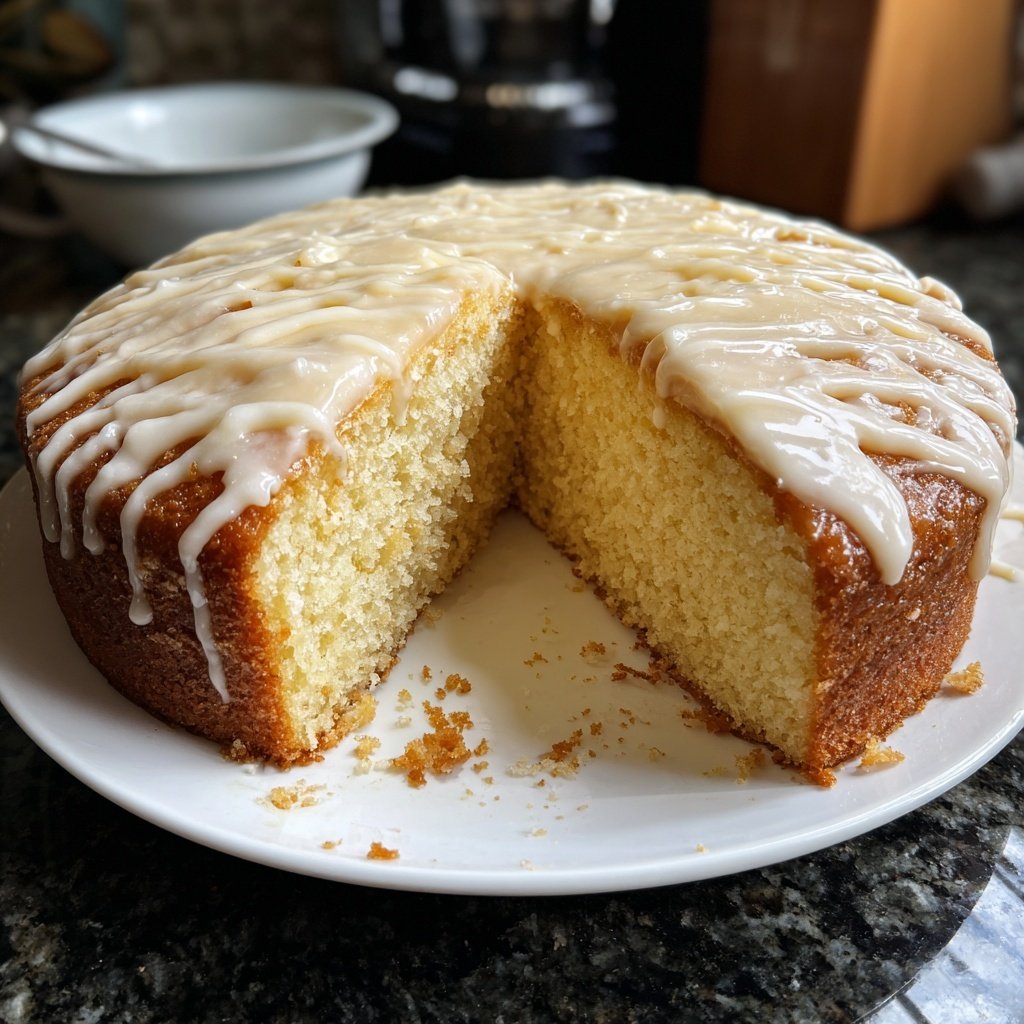
The choice of ingredients plays a crucial role in the success of your vanilla butter cake. High-quality unsalted butter not only adds rich flavor but also provides the necessary fat for a moist texture. I prefer using fresh eggs at room temperature as they incorporate better into the batter, elevating the lightness of the cake. Be mindful that using cold eggs may result in a denser texture, so take that extra step to let them warm up before mixing.
Granulated sugar is another key player, contributing to the cake's sweetness while helping to create its airy structure. When creaming the butter and sugar, aim for a pale and fluffy consistency, indicating that you've introduced enough air. This stage is essential for achieving the desired rise during baking, ensuring a light and tender crumb. If you're looking to reduce the sugar slightly, you could replace a portion with a natural sweetener, but be aware that this may alter the cake's texture.
Baking Techniques for Success
Baking is both a science and an art, requiring precision in measurements and timing. When it comes to mixing, be cautious not to overmix once you add the dry ingredients. This can develop gluten, leading to a tougher cake rather than the tender crumb we desire. Mix just until you no longer see flour streaks; a few lumps are perfectly fine. Similarly, ensure that your oven is fully preheated before placing the cakes inside, as an unstable temperature can lead to uneven rising.
Another important step is to check for doneness. While the general baking time is 30-35 minutes, ovens can vary. A toothpick inserted in the center should come out clean or with just a few moist crumbs attached. If you find that the tops are browning too quickly, cover them loosely with aluminum foil to prevent burning while allowing the center to bake through. This technique can save you from a potentially dry and overly cooked cake.
Frosting and Serving Ideas
Once your cake has cooled, the fun of decorating can begin! A classic pairing with vanilla butter cake is a rich buttercream frosting, which can be flavored with additional vanilla or even a hint of almond extract for a unique twist. If you prefer a lighter option, a whipped cream topping with fresh berries can elevate the cake’s flavors and presentation. Don't shy away from layering the cake — adding filling between the layers can enhance both texture and taste.
For storage, this cake can be kept at room temperature for a couple of days, covered to maintain moisture. If you have leftovers, I recommend refrigerating them, where they can last about a week. For longer storage, consider freezing slices. Wrap each slice tightly in plastic wrap, then place in an airtight container. This method prevents freezer burn, allowing you to enjoy your vanilla butter cake for up to three months. Just thaw slices in the refrigerator before enjoying.
Ingredients
Ingredients:
For the Cake
- 1 cup unsalted butter, softened
- 2 cups granulated sugar
- 4 large eggs
- 1 tablespoon pure vanilla extract
- 3 cups all-purpose flour
- 1 tablespoon baking powder
- 1/2 teaspoon salt
- 1 cup milk
Make sure all ingredients are at room temperature for best results.
Instructions
Instructions:
Preheat the Oven
Preheat your oven to 350°F (175°C). Grease and flour two 9-inch round cake pans.
Cream Butter and Sugar
In a mixing bowl, cream the softened butter and granulated sugar until light and fluffy, about 5 minutes.
Add Eggs and Vanilla
Add the eggs, one at a time, mixing well after each addition. Stir in the vanilla extract.
Combine Dry Ingredients
In another bowl, whisk together the flour, baking powder, and salt.
Mix Everything Together
Gradually add the dry ingredients to the butter mixture alternately with the milk, starting and ending with the flour mixture.
Bake the Cakes
Divide the batter equally between the prepared pans and smooth the tops. Bake for 30-35 minutes or until a toothpick comes out clean.
Cool and Serve
Let the cakes cool in the pans for 10 minutes, then remove from the pans and cool completely on wire racks. Frost as desired.
Enjoy your delicious vanilla butter cake with a cup of tea or coffee!
Pro Tips
- For extra flavor, consider adding citrus zest or almond extract to the batter.
Common Troubleshooting Tips
If your cake dome rises too high or cracks, it could be a sign of baking at too high a temperature. Next time, consider lowering the oven temperature by 25°F and extending the baking time slightly. This adjustment can lead to more even baking without the risk of an undesirable dome or cracks in the surface.
Conversely, if your cake turns out dense, overmixing is often the culprit. Remember to mix until just combined once you add the dry ingredients, and be cautious with overloading the batter. Additionally, ensure you are measuring your flour accurately; spooning it into the measuring cup rather than scooping can avoid excess flour weight that could lead to a denser cake.
Ingredient Substitutions and Variations
For a dairy-free version, you can replace the butter with a plant-based alternative and the milk with almond or soy milk. Keep in mind that this may slightly alter the flavor and texture, but it should still yield a delicious result. Another tasty twist could be substituting half of the all-purpose flour with almond flour for added moisture and a nutty undertone.
If you're looking to infuse more flavor, consider adding citrus zest like lemon or orange, or even a bit of cocoa powder folded into half the batter for a marble effect. Variations could include adding chocolate chips or fruit, such as raspberries or blueberries, to the batter before baking for a delightful surprise in every bite.
Questions About Recipes
→ Can I use margarine instead of butter?
While you can use margarine, real butter gives the best taste and texture.
→ How should I store leftovers?
Store leftover cake in an airtight container at room temperature for up to 3 days.
→ Can I freeze this cake?
Yes, you can freeze the cake layers for up to 3 months. Be sure to wrap them well.
→ What frosting pairs well with this cake?
Cream cheese frosting or chocolate ganache are both delicious options.
Baking & Desserts Classic Vanilla Butter Cake
Created by: Lucinda Price
Recipe Type: Oven Treats
Skill Level: Intermediate
Final Quantity: 8 servings
What You'll Need
For the Cake
- 1 cup unsalted butter, softened
- 2 cups granulated sugar
- 4 large eggs
- 1 tablespoon pure vanilla extract
- 3 cups all-purpose flour
- 1 tablespoon baking powder
- 1/2 teaspoon salt
- 1 cup milk
How-To Steps
Preheat your oven to 350°F (175°C). Grease and flour two 9-inch round cake pans.
In a mixing bowl, cream the softened butter and granulated sugar until light and fluffy, about 5 minutes.
Add the eggs, one at a time, mixing well after each addition. Stir in the vanilla extract.
In another bowl, whisk together the flour, baking powder, and salt.
Gradually add the dry ingredients to the butter mixture alternately with the milk, starting and ending with the flour mixture.
Divide the batter equally between the prepared pans and smooth the tops. Bake for 30-35 minutes or until a toothpick comes out clean.
Let the cakes cool in the pans for 10 minutes, then remove from the pans and cool completely on wire racks. Frost as desired.
Extra Tips
- For extra flavor, consider adding citrus zest or almond extract to the batter.
Nutritional Breakdown (Per Serving)
- Calories: 380 kcal
- Total Fat: 26g
- Saturated Fat: 15g
- Cholesterol: 195mg
- Sodium: 85mg
- Total Carbohydrates: 32g
- Dietary Fiber: 3g
- Sugars: 24g
- Protein: 6g