Easy Aioli Recipe at Home
Highlighted under: Quick Meal Inspirations
I absolutely love making aioli at home! It transforms any dish with its creamy texture and bold flavor. This recipe combines simple ingredients that I usually have on hand. The process is straightforward and quick, taking just 10 minutes to whip up a delicious batch. Serve it with roasted vegetables, sandwiches, or as a dip for my favorite snacks. Trust me, once you try making aioli yourself, you won’t want to go back to store-bought options!
When I first tried my hand at making aioli, I was pleasantly surprised at how easy it was to create such a flavorful condiment. Using just garlic, egg yolks, olive oil, and lemon juice, you can create a rich and creamy dip that elevates any meal. The key is to add the oil gradually while whisking to achieve that perfect emulsion.
Each time I make aioli, I experiment with different flavors by adding ingredients like fresh herbs or spices. This customization brings a unique twist to the aioli, making it a versatile addition to my kitchen. Plus, it’s so rewarding to share something homemade with friends and family!
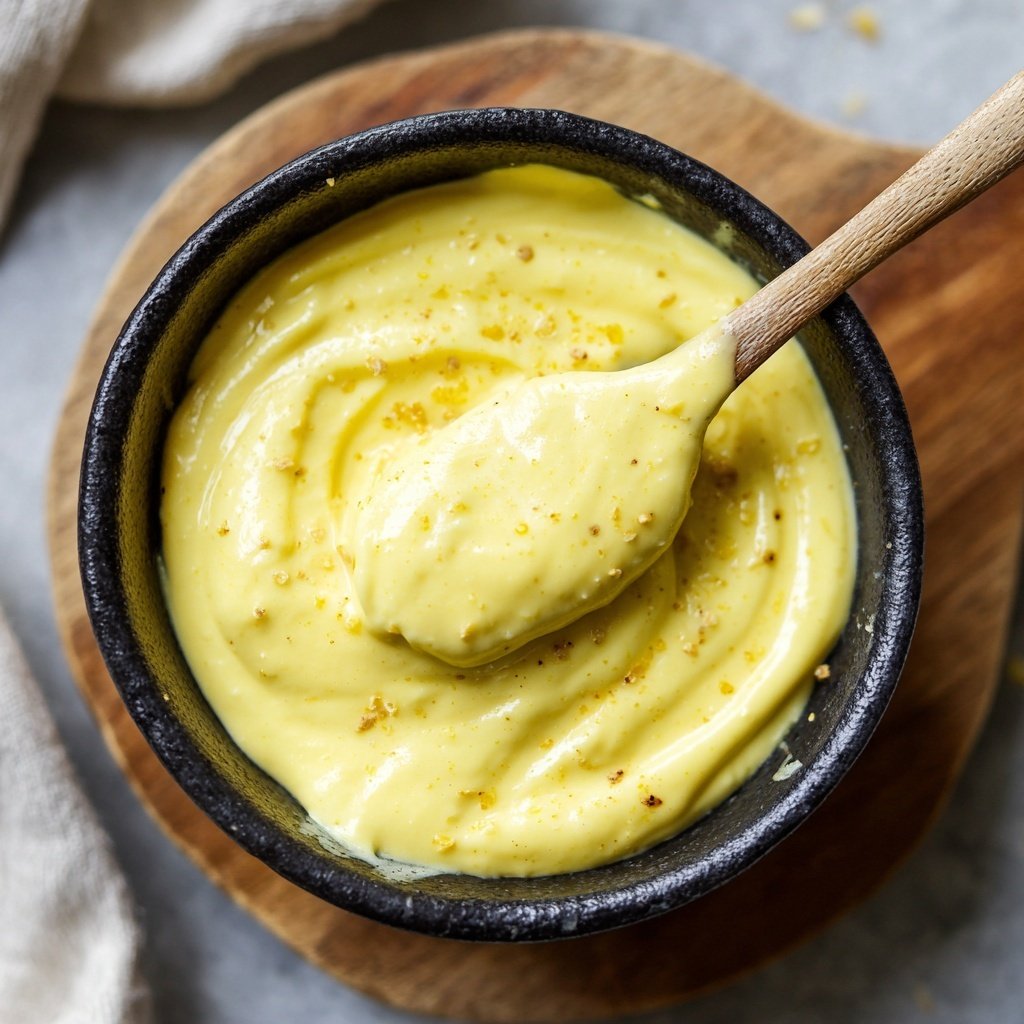
Why You'll Love This Recipe
- Rich and garlicky flavor that enhances any dish
- Simple ingredients that are easy to find
- Quick prep time makes it perfect for spontaneous gatherings
Mastering the Emulsification
The key to a successful aioli is achieving that perfect emulsion, which is what gives it that rich, creamy texture. Start by adding the olive oil very gradually—just a few drops at first. This slow incorporation allows the oil to blend seamlessly with the egg yolk and other ingredients, reducing the risk of the mixture breaking. If it does separate, all is not lost; you can fix it by whisking in a fresh egg yolk and slowly drizzling in the broken aioli.
Always whisk continuously while adding the oil. This ensures that the constant motion helps to combine the ingredients effectively. A balloon whisk works beautifully for this task, but you can also use an immersion blender for a quicker process. Just be cautious to maintain that gentle speed at first to avoid overwhelming the mixture.
Ingredient Insight
Each ingredient in this aioli plays a crucial role. The egg yolk serves as the emulsifier, helping to unite the oil and water-based components. It's rich in lecithin, which stabilizes the mixture. Opt for fresh, high-quality eggs for the best flavor and texture. If you're concerned about raw eggs, pasteurized eggs are a great alternative that still yields a delicious outcome.
Dijon mustard adds more than just flavor; it also acts as an emulsifier, enhancing stability in your aioli. If you prefer a milder taste, go for a lower quantity or substitute with a small amount of mayonnaise. The lemon juice brightens the aioli and helps balance the richness of the oil. Feel free to adjust the acidity according to your preference; vinegar could also be used for an alternate tang.
Storage and Serving Suggestions
Aioli is best enjoyed fresh, but if you have leftovers, store it in an airtight container in the fridge. It will last for about a week, maintaining its flavor and texture. When storing, make sure it's well-sealed to prevent it from absorbing odors from other foods in your refrigerator. If the aioli thickens in the fridge, simply stir in a bit of water or lemon juice to restore its creaminess.
This versatile condiment pairs well with a variety of dishes. Serve it alongside roasted vegetables for a delightful dip, layer it onto sandwiches for a richer taste, or use it as a spread on wraps. You can also experiment by adding different herbs like basil or dill for a fresh twist, or even spice it up with a pinch of cayenne for a bit of heat.
Ingredients
Gather the following ingredients to make your aioli:
Ingredients
- 1 large egg yolk
- 1 tablespoon Dijon mustard
- 1 tablespoon lemon juice
- 1 clove garlic, minced
- 1 cup olive oil
- Salt to taste
Make sure to use room temperature ingredients for better emulsion.
Instructions
Follow these steps to create your delicious aioli:
Combine Base Ingredients
In a mixing bowl, whisk together the egg yolk, Dijon mustard, lemon juice, and minced garlic until well combined.
Incorporate Olive Oil
Begin to slowly drizzle in the olive oil while continuously whisking. Start with just a few drops and gradually increase the amount. This will help ensure a smooth emulsion.
Season and Enjoy
Once the aioli has thickened to your desired consistency, add salt to taste. Serve immediately or store in the fridge for up to a week.
Feel free to customize your aioli by adding herbs or spices!
Pro Tips
- For an extra kick, try adding a teaspoon of smoked paprika or a dash of cayenne pepper for heat. Also, using fresh garlic can really elevate the flavor of your aioli.
Troubleshooting Common Issues
If your aioli turns out too thick, you can whisk in a teaspoon or two of warm water, lemon juice, or an additional egg yolk to achieve the right consistency. This can be particularly helpful if you’re working in a cooler kitchen where the olive oil may have thickened. Keep the mixture at room temperature while you work for the best results.
In some cases, you may find your aioli overly salty or tangy. A pinch of sugar can help mellow out sharp flavors. Alternatively, consider adding a pinch of freshly ground black pepper or some chopped fresh herbs to shift the profile without modifying the base too much.
Flavor Variations
Feel free to get creative with your aioli! Roasted garlic can replace raw garlic for a sweeter, milder flavor, achieving a beautifully caramelized note. Simply wrap whole garlic bulbs in foil and roast them in the oven until soft, then squeeze the cloves into the aioli mixture for a delightful twist.
For a smoky flavor, try adding a teaspoon of smoked paprika. This not only adds depth but also gives the aioli a lovely hue. Inspired by different cuisines, you can also explore adding sriracha for heat or lemon zest for a citrusy zing, melding beautifully with the garlic and olive oil.
Questions About Recipes
→ Can I use a food processor for aioli?
Yes, a food processor works well and can make the emulsifying process even easier.
→ What if my aioli breaks?
If your aioli separates, try whisking in a teaspoon of water or starting with another egg yolk and slowly incorporating the separated aioli back in.
→ How long can I keep homemade aioli?
Homemade aioli can be stored in the refrigerator for up to a week in an airtight container.
→ Can I use other oils besides olive oil?
Certainly! You can use a blend of olive oil and another neutral oil like canola if you prefer a lighter flavor.
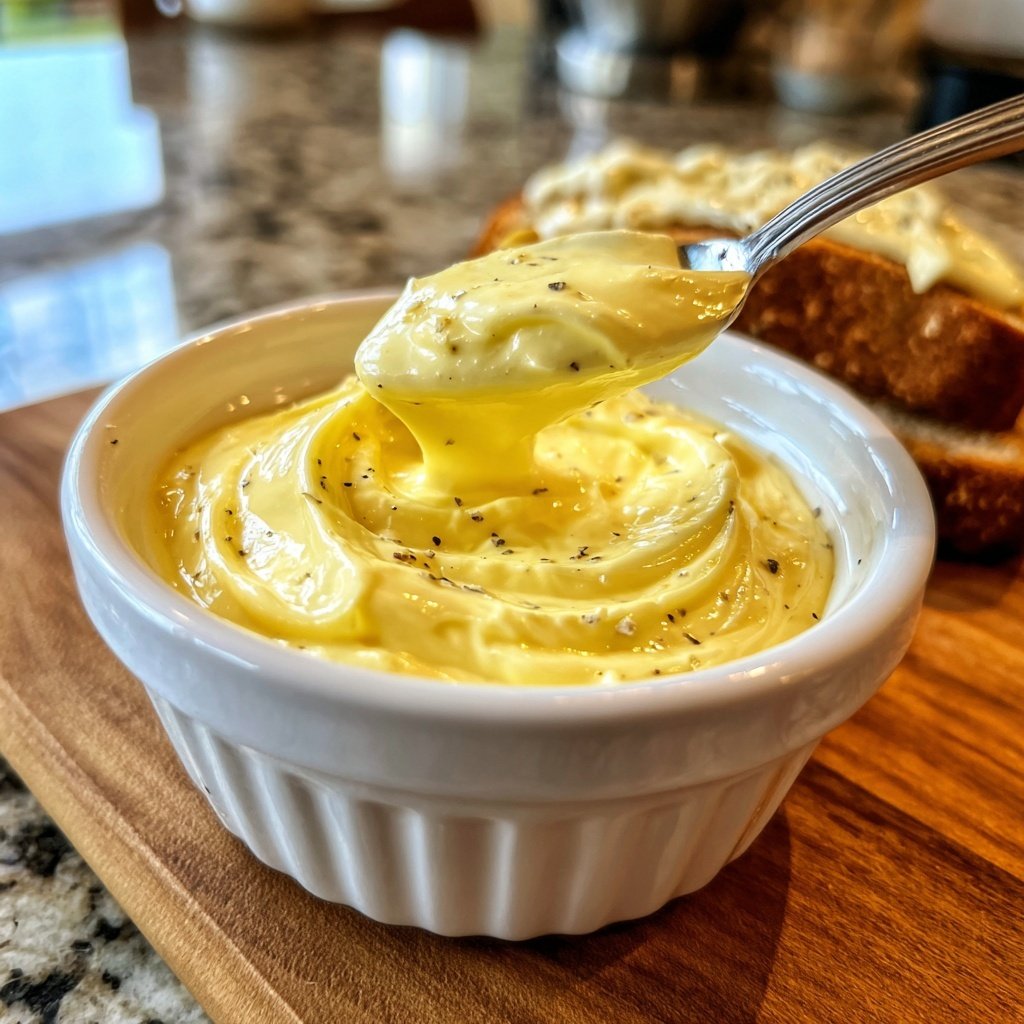
Easy Aioli Recipe at Home
Created by: Lucinda Price
Recipe Type: Quick Meal Inspirations
Skill Level: Beginner
Final Quantity: 1 cup
What You'll Need
Ingredients
- 1 large egg yolk
- 1 tablespoon Dijon mustard
- 1 tablespoon lemon juice
- 1 clove garlic, minced
- 1 cup olive oil
- Salt to taste
How-To Steps
In a mixing bowl, whisk together the egg yolk, Dijon mustard, lemon juice, and minced garlic until well combined.
Begin to slowly drizzle in the olive oil while continuously whisking. Start with just a few drops and gradually increase the amount. This will help ensure a smooth emulsion.
Once the aioli has thickened to your desired consistency, add salt to taste. Serve immediately or store in the fridge for up to a week.
Extra Tips
- For an extra kick, try adding a teaspoon of smoked paprika or a dash of cayenne pepper for heat. Also, using fresh garlic can really elevate the flavor of your aioli.
Nutritional Breakdown (Per Serving)
- Calories: 200 kcal
- Total Fat: 22g
- Saturated Fat: 3g
- Cholesterol: 37mg
- Sodium: 105mg
- Total Carbohydrates: 2g
- Dietary Fiber: 0g
- Sugars: 0g
- Protein: 1g